A Retrospective Overview of Factors that Influence Guinea Worm Epidemic in Northern Region of Ghana


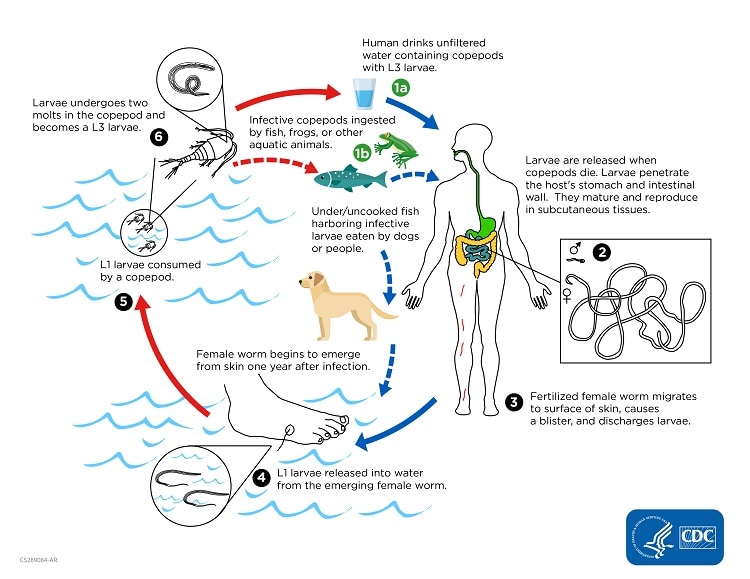
This article retrospectively examines the factors which caused Guinea Worm Disease (Dracunculiasis) to spread to epidemic levels, so as to serve as the basis for formulating a national preventive agenda to reinforce the preventive measures which have been put in place to prevent the disease from re-emerging. The hybrid conceptual framework of disease diffusion and disease ecology was used. The mixed method research design was used to collect data from a total of 11 administrative districts. Primary data was obtained from a total of 860 respondents. To achieve a representative distribution of respondents, they were proportionately selected with respect to the populations of their respective districts. A key Informant interview was conducted.


Download the full article for free here!

Comments

Popular posts from this blog

The Viking Geo

 Video's more your thing? The Viking Geo has a wide array of fantastic videos to support your learning, browse through the channels playlists to find the units that fit our course.  The channel can be found  here.

Cancer in the UK. 10-Year Cancer Plan: call for evidence

Foreword from the Secretary of State This country’s fight against COVID-19 has shown just what we can do when we join forces against a common threat. During the pandemic we used this country’s ingenuity and endeavour to put the virus on the back foot, but now is the time to apply this same spirit and determination to another threat: cancer. It is time to declare a national war on cancer, which is the biggest cause of death from disease in this country. It is a menace that has taken far too many people before their time and caused grief and suffering on a massive scale. As a country, we have made great progress in recent years; in just the last 15 years, one-year survival has increased by more than 10 percentage points, a remarkable achievement. But despite this progress, I am determined that we will go much further. This is essential if we are to complete the job of recovering cancer services following the pandemic and use the impressive advances in diagnosis and treatments to radicall...

Achievements, Gaps, and Emerging Challenges in Controlling Malaria in Ethiopia

Controlling malaria is one of the top health sector priorities in Ethiopia. The concrete prevention, control, and treatment interventions undertaken in the past two decades have substantially reduced the morbidity and mortality attributable to malaria. Emboldened by these past achievements, Ethiopia envisages to eliminate malaria by 2030. Realizing this ambition, however, needs to further strengthen the financial, technical, and institutional capacities to address the current as well as emerging challenges. It particularly needs to step up measures pertaining to diagnosis, domestic resource mobilization, vector surveillance, and seasonal weather forecasting. Read the full article  here!